
Finished: April 12, 2024
Why I read this
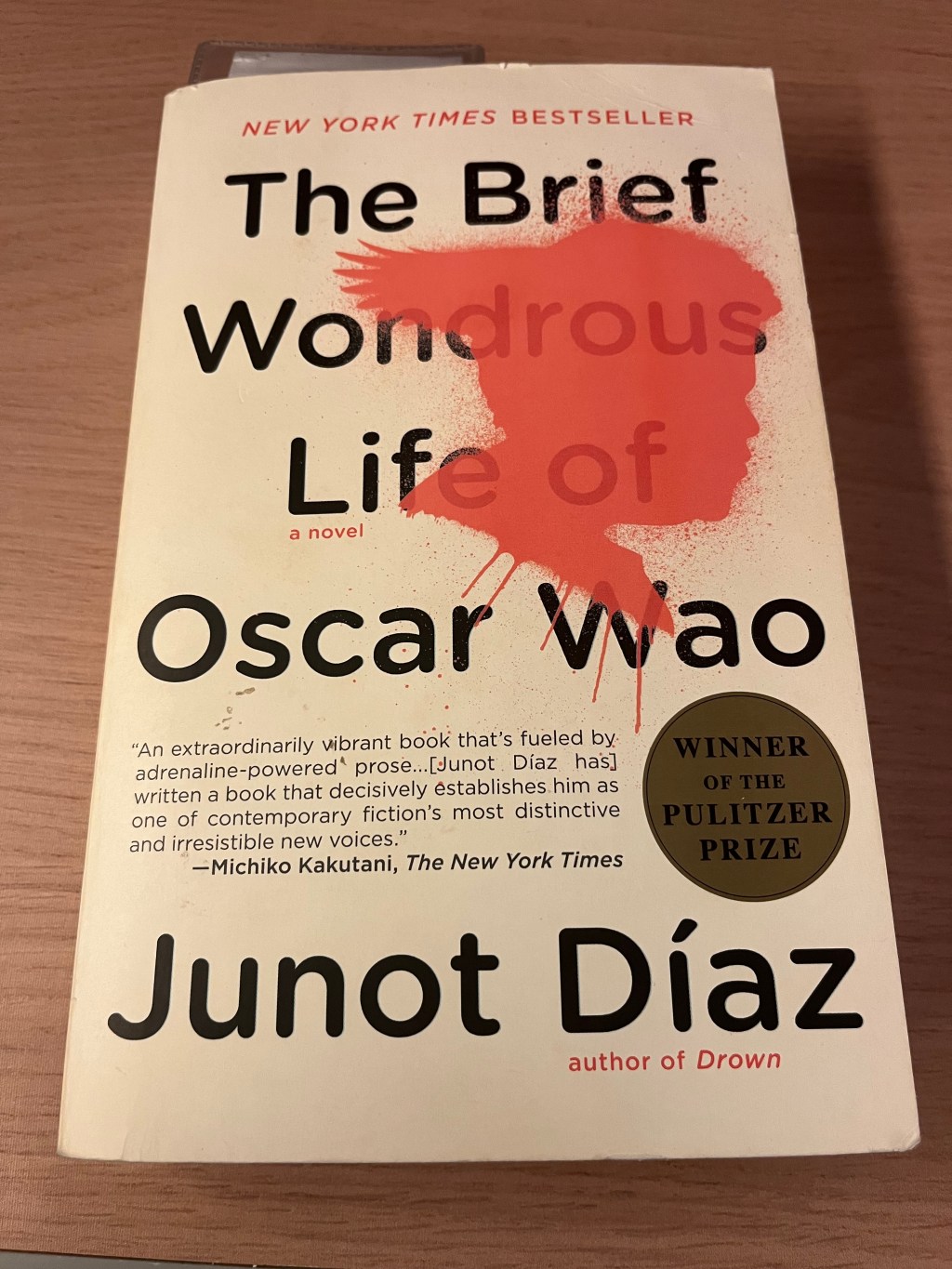
I’m continuing to chip away at the mountain of Pulitzers prizes and honestly I just kind of picked this one up off the pile and thought to myself “alright let’s do this one”. It’s funny that at the end of The Reivers I told myself that maybe it’ll be nice to take a break from things really heavy on race. Lo and behold, page one dropped the n-word with a hard R. What can you do but take a deep breath and dive right in?
What I learned
First and foremost, I remembered that at one point I knew actually quite a lot of Spanish (it feels like most days it has been totally replaced by French 🇫🇷), and even a decent amount of Latin American history. The story brought back memories of watching a movie on Les Hermanas Mirabals in Spanish class, and stories about Batista and Castro in Cuba and all the muddling the US did in these countries. It was interesting to revisit these histories with such a modern twist.
Moreover, for me, it was written from such a relatable angle. As far as I can tell none of the references to Tolkien, or Dune were lost on me, although I’ll admit I missed some of the references to things like Akira. I liked how Díaz made such a strong connection between modern readers and the trauma of the past. A past that is not so distant after all. For me it feels like ancient history, but in reality my parents were alive while Trujillo was raping and plundering the Carribean. It’s crazy how close it can make it feel. Even near the end of the book, the problems that the country can still have at the turn of the millennium are shocking. The idea that in the time of cell phones and the birth of mass internet the police could still take someone into the cane fields and shoot them with not so much as a challenge is astonishing.
The soul brother of Ignatius Riley from A Confederacy of Dunces, Oscar is both endearing and insufferable. Lacking only the arrogance, Oscar shares most of the same interest and characteristics of the other famous fat writer, but while Ignatius is removed enough from modern time I couldn’t help seeing Oscar as a much more realistic person. I enjoyed his witticisms and his references to all the things I like and know. For example making a reference to kipple from Blade Runner was niche and appreciated. At the same time he reminded me a lot of a few guys I had known in high school that would always swoon over women whether they had a boyfriend or not, and if the girl was just nice to them in return they thought it was a secret cry from help for this guy to save them from their abusive boyfriend. Honestly sometimes it would be borderline harassment, but when confronted they would cry out that love mandated they pursue these women no matter how many times they rejected their advances. This type of “never take no” for an answer has (rightfully) fallen out of style, and it really made it hard for me to connect with Oscar.
The narrator had the same challenge. A bravado that made him almost inhuman, but at the end of the story his attitude improved and made him a much better character. I liked the Díaz made him regretful, someone honest and relatable. For some reason he couldn’t stop cheating, and he knew it was wrong, and he regretted that he did it. It reminded me of Woodrow Call in Lonesome Dove who refused to claim his son even though he knew it was wrong, and was forced to live with the consequences. I found this aspect of the story to be extremely realistic. Life is not a fairy tale, actions have consequences, and you will have to live with them forever. No take backs.
But these two were just a part of the cast of characters, and honestly I really enjoyed how it bounced around between the characters. It was a bit how in A Song of Ice and Fire, each chapter is from a different character’s perspective, but this book felt more natural, more story telling than world building. The biggest effect that it had on me was to remind me how each story is a mix of people, each person being the protagonist is their own story. Each with their own dreams, personality, fears, and desires. It made you even question if Oscar was the main character or not. I remember thinking this and then passing through a crowded train station here in Paris and it’s unbelievable to think that each of these people are the main characters of their own books. They have family they fight with, and hidden past traumas. They’ve got holidays and drinks with friends. Some love soap operas, or video games, or soccer. I even saw how on these posts if I get a like from a person with another blog I get suggested to see their page. They aren’t just likes, they’re someone else like me who has put a lot of effort, energy, and frankly soul into sharing their experience. I will need to be better about looking into some of these others that make the effort to look into mine.
What I didn’t like
As usual, I think the stylistic way this was written was more of the reason why it won the Pulitzer than the pure appeal of the story. Don’t get me wrong, it’s definitely impactful and engaging, but it was special, the mix of different narratives from the perspective of an outside narrator, with various language, pop culture, and historical references thrown in at an astonishing frequency. The problem for me with this, is that no one can get all of these references. Often there would be large sentences in casual Spanish full of slang that no one but a native speaker is going to understand without help, and rarely was there a translation. Sure if you want to put Spanish words here and there I fully support it, but full phrases it could be nice to explain, especially if you can find time to put a two page footnote about Trujillo every 10 pages.
Questions I asked
Could someone appreciate this book with no Spanish and no nerdy references?
How will this book age with its brazen portrayal of a toxically masculine culture? Has it already aged since its release 17 years ago?
What is the situation like in the Dominican Republic today, how much does the shadow of Trujillo still weigh on the country?
My Favorite Quote
“I have Dutch, nigger, and English in me, and either I’m nobody, or I’m a nation.”
Derek Walcott
(please excuse the use of the N-word in a quote, but I found it both true, and impactful. America is a melting pot of many cultures, and we forget too often that it took all of them to build the culture that exists in America today)
Books I liked like this one
A Confederacy of Dunces : John Kennedy Toole (for a ridiculous and over the top main character, that despite their enormous flaws manages go be endearing)
Lonesome Dove : Larry McMurtry (for a story where things don’t just magically work out well for everyone)

 Book Reviews for Mom